The Quran and Hadith not only serve as sources of spiritual guidance but also contain profound insights into nutrition and health. Several natural foods highlighted in the Quran and Sunnah, such as dates, honey, olives, milk, pomegranates, and figs, are recognized today for their remarkable health benefits. These foods provide energy, aid recovery, and enhance endurance, making them highly suitable for athletes seeking optimal performance. Here, we explore some of these foods and explain why they are beneficial for athletic consumption.
1. Dates (Tamar)
Dates are one of the most frequently mentioned fruits in the Quran, highlighted for their nourishment and strength:
“And shake toward you the trunk of the palm tree; it will drop upon you ripe, fresh dates.” (Surah Maryam 19:25)
The Prophet Muhammad (peace and blessings be upon him) also said: “He who eats seven ‘Ajwa dates every morning will not be affected by poison or magic on that day.” (Sahih al-Bukhari, 5445). Nutritionally, dates are rich in natural sugars such as glucose, fructose, and sucrose, providing quick and sustained energy, ideal for athletes before or after training.
They contain potassium, magnesium, and fiber, which support muscle function and help prevent cramps. There are at least 15 minerals in dates. The protein in dates contains 23 types of amino acids, some of which are not present in the most popular fruits, such as oranges, apples, and bananas.
Dates contain at least six vitamins, including a small amount of vitamin C, and vitamins B1 thiamine, B2 riboflavin, nicotinic acid (niacin), and vitamin A. The balance of carbohydrates and micronutrients makes dates an excellent pre- or post-exercise snack, enhancing endurance and aiding recovery (Al-Shahib & Marshall, 2003).
2. Honey
Honey is described in the Quran as a healing food:
“There emerges from their bellies a drink, varying in colors, in which there is healing for people.” (Surah An-Nahl, 16:69)
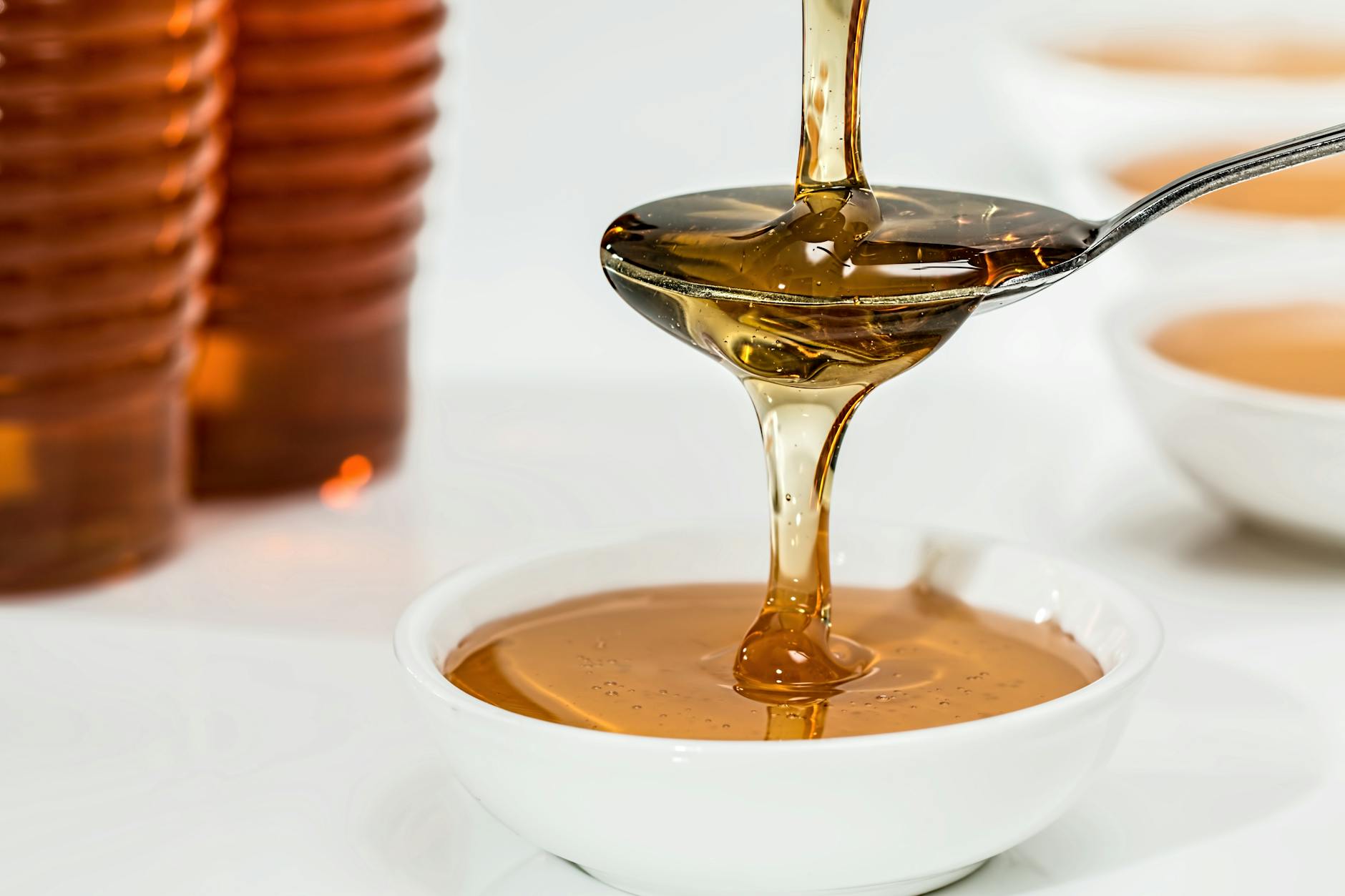
The Prophet (peace and blessings be upon him) said, “Make use of the two cures: honey and the Qur’an.” (Sunan Ibn Majah, 3452). For athletes, honey acts as a natural energy booster. Its glucose and fructose content provides both quick and sustained energy release, preventing fatigue during prolonged physical activity. Honey also has antibacterial and anti-inflammatory properties that promote faster muscle recovery.
Research indicates that honey is as effective as commercial sports gels in maintaining blood sugar levels and improving endurance (Earnest et al., 2004). It showed that there was no significant difference in overall performance time between consuming honey, which has a low glycemic index, and sports gel, which has a high glycemic index, during a simulated 64-km cycling time.
3. Olive and Olive Oil
The olive tree is referred to as a blessed tree in the Qur’an:
“Allah is the Light of the heavens and the earth… lit from a blessed tree, an olive, neither of the east nor of the west…” (Surah An-Nur, 24:35)
The Prophet Muhammad (peace and blessings be upon him) said, “Eat olive oil and use it on your hair and skin, for it comes from a blessed tree.” (Sunan Ibn Majah, 3319). Olive oil is rich in monounsaturated fatty acids and antioxidants like vitamin E and polyphenols. For athletes, these compounds reduce inflammation caused by intense training and support cardiovascular health. The healthy fats in olive oil enhance energy metabolism and nutrient absorption, improving endurance and recovery (Covas, 2007).
4. Milk
Milk is mentioned in the Quran as a pure and wholesome drink:
“From between excretions and blood, We give you pure milk, palatable to drinkers.” (Surah An-Nur, 16:66)
The Prophet (peace and blessings be upon him) said, “Nothing suffices in the place of both food and drink except milk.” (Sunan Ibn Majah, 3322)
Milk provides complete nutrition, such as carbohydrates, high-quality protein, fats, calcium, and essential vitamins. For athletes, its protein content (casein and whey) supports muscle repair and growth, while carbohydrates replenish glycogen stores.

Studies confirm that milk effectively aids post-exercise recovery, often outperforming sports drinks. Drinking milk after resistance exercise results in net muscle protein synthesis. It suggests that whole milk can help in the utilization of available amino acids for protein synthesis. (Elliot et al., 2006).
5. Figs (Teen)
Allah swears by the fig in the Qur’an:
“By the fig and the olive.” (Surah At- Tin, 95:1)
Figs are rich in natural sugars, fiber, calcium, and iron. For athletes, they offer quick energy and sustained release due to their fiber content. Iron helps transport oxygen in the blood, which is essential for endurance and stamina, while antioxidants help reduce oxidative stress from intense exercise (Slavin, 2006).
6. Pomegranate (Rumman)
Pomegranates are mentioned among the fruits of Paradise:
“In both of them are fruit and palm trees and pomegranates.” (Surah Ar-Rahmaan, 55:68)
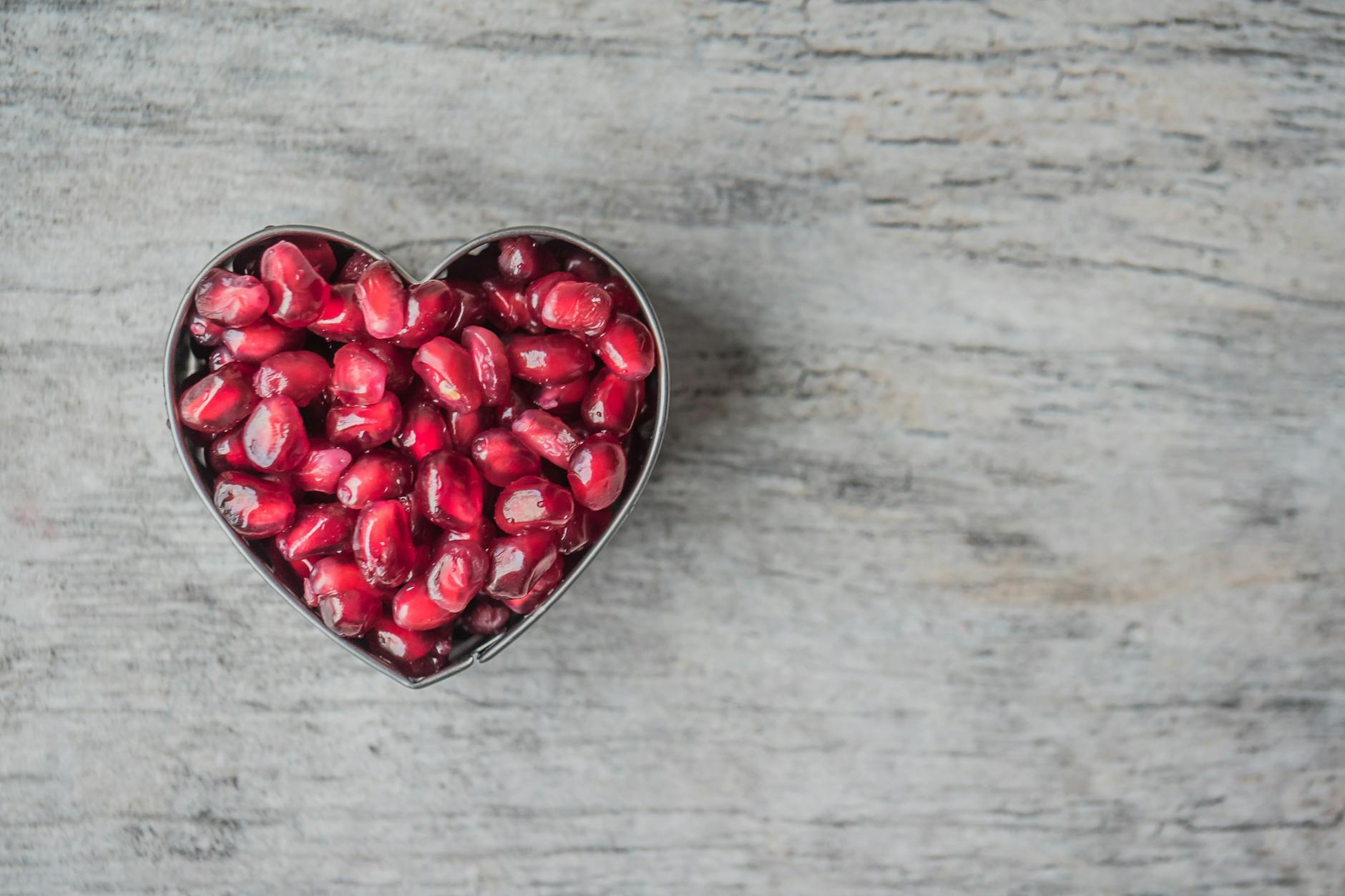
Pomegranate is rich in polyphenols and anthocyanins, which protect the body against inflammation and oxidative stress. Studies show that ellagitannins from pomegranate juice enhance blood flow, reduce muscle soreness, and accelerate recovery after exercise. Its nitrates improve oxygen efficiency, benefiting endurance athletes, even after vigorous exercise (Trombold et al., 2011).
7. Barley (Shaeer)
The Prophet (peace and blessings be upon him) is mentioned as frequently consuming barley porridge (talbina) and said:
“Talbina gives rest to the heart of the patient and removes sorrow.” (Sahih al-Bukhari, 5689)
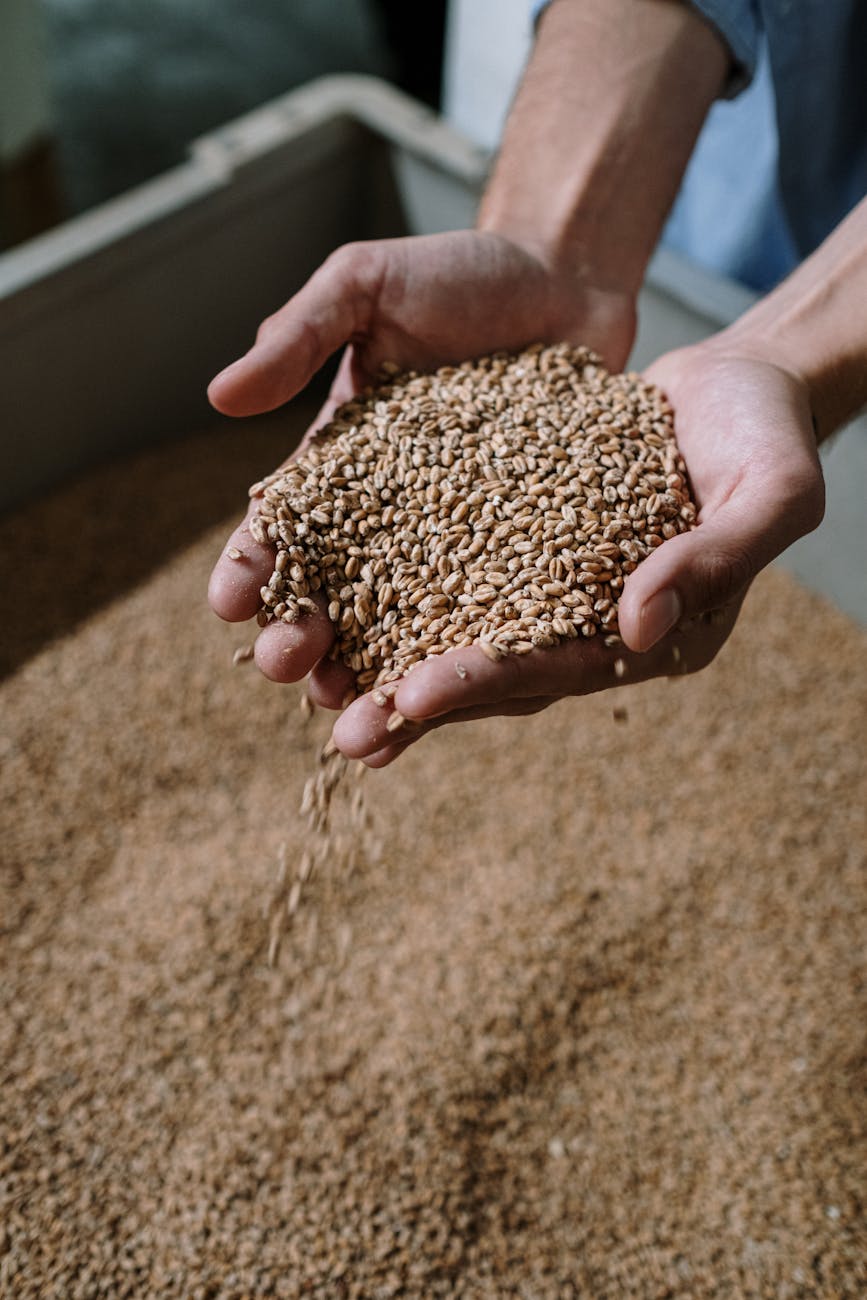
Barley is a complex carbohydrate high in beta-glucan fiber, which provides sustained energy release. It helps stabilize blood sugar levels and supports digestion, important for endurance athletes. It has a low glycemic index. This slow release of energy also makes barley a good choice for athletes in strength and endurance, building training regimens.
Nutritionally, barley is high in vitamins and nutrients, including chromium, copper, magnesium, manganese, molybdenum, niacin, phosphorus, selenium, Vitamin B1, and Vitamin B3. Barley also contains magnesium and selenium, essential for muscle function and recovery (Newman & Newman, 2008).
The Quran and Hadith of Prophet Muhammad (peace and blessings be upon him) provide timeless guidance not only for spiritual well-being but also for physical health. Natural foods like dates, honey, olives, milk, figs, pomegranates, and barley, highlighted in Islam, offer balanced nutrition that aligns with modern sports science.
These foods provide sustained energy, aid muscle repair, boost immunity, and reduce inflammation, all of which are vital for athletes striving for peak performance. By incorporating these prophetic foods, athletes can adopt a holistic approach to nutrition that nourishes both body and soul.
References
- Al-Shahib, W., & Marshall, R. J. (2003). The fruit of the date palm: Its possible use as the best food for the future? International Journal of Food Sciences and Nutrition, 54(4), 247–259.
- Covas, M. I. (2007). Olive oil and the cardiovascular system. Pharmacological Research, 55(3), 175–186.
- Earnest, C. P., Lancaster, S. L., Rasmussen, C. J., Kerksick, C. M., Lucia, A., Greenwood, M. C., & Almada, A. L. (2004). Low vs. high glycemic index carbohydrate gel ingestion before, during, and after endurance exercise. Journal of Strength and Conditioning Research, 18(2), 466–472.
- Elliot, T. A., Cree, M. G., Sanford, A. P., Wolfe, R. R., & Tipton, K. D. (2006). Milk ingestion stimulates net muscle protein synthesis following resistance exercise. Medicine & Science in Sports & Exercise, 38(4), 667–674.
Newman, R. K., & Newman, C. W. (2008). - Barley for food and health: Science, technology, and products. Wiley.
- Slavin, J. L. (2006). Figs: A unique source of dietary fiber. Nutrition Today, 41(4), 180–184.
- Trombold, J. R., Barnes, J. N., Critchley, L., & Coyle, E. F. (2011). Ellagitannin consumption improves strength recovery 2–3 days after eccentric exercise. Medicine & Science in Sports & Exercise, 43(3), 501–508.
 knowledgedunes.com